|
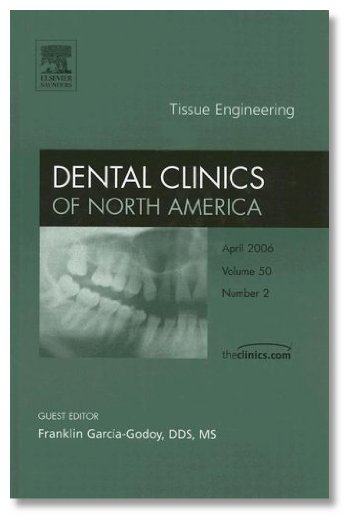
The age of tissue engineering is upon us. Mankind is advancing beyond the ability to create inanimate objects, toward the capability of replacing and regenerating our own living body tissues. The amalgamation of bioengineering and dentistry will result in an explosion of knowledge that will enhance our understanding of craniofacial development and culminate in a new era in dentistry, enabling us to restore lost tissue function. Tissue engineering is also referred to as “regenerative dentistry,” because the goal of tissue engineering is to restore tissue function through the delivery of stem cells, bioactive molecules, or synthetic tissue constructs engineered in the laboratory. The patient demand for tissue engineering therapies is staggering, both in scope and cost. Each year, $400 billion is spent treating Americans suffering some type of tissue loss or end-stage organ failure. These data include 20,000 organ transplants, 500,000 joint replacements, and hundreds of millions of dental and oral craniofacial procedures ranging from tooth restorations to major reconstruction of facial soft and mineralized tissues. The application of regenerative dentistry in dental clinics can produce wonderful treatments to dramatically improve patients' quality of life. Historically, materials and treatment options have provided the dentist with a limited ability to replace diseased, infected, traumatized, and lost tissues. Looking to the future, advances in bioengineering research are set to unleash the potential of the human genome project and molecular biology into dental practice.
|