|
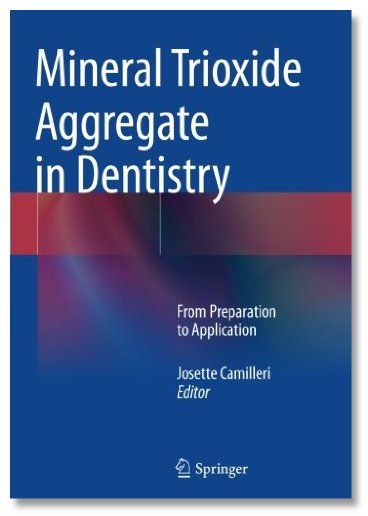
Mineral trioxide aggregate (MTA) was invented in the mid-1990s at Loma Linda University, USA, with the aim of introducing a material for use as a root-end filler that would set and develop its properties in the presence of moisture. MTA is a mixture of Portland cement and bismuth oxide, which is added to enhance the radiopacity of the material. These two components are mixed with water to producehydrated cement. This book concisely presents information on diverse aspects of MTA and its use with a view to making it more widely available to clinicians and researchers. The topics covered include the development of MTA and its introduction into clinical dentistry, its chemical composition and setting characteristics, manipulation and placement, material properties, reactivity and the influence of environmental factors. The clinical applications are clearly explained and related innovations and further materials currently available on the market are also discussed. Table of Contents - Introduction to Mineral Trioxide Aggregate
—Gustavo De Deus, Josette Camilleri, Carolyn M. Primus, Marco Antonio Hungaro Duarte, Clovis Monteiro Bramante - Composition and Setting Reaction
—Josette Camilleri - Properties of Hydrated Mineral Trioxide Aggregate
—Mario Tanomaru-Filho, Juliane Maria Guerreiro-Tanomaru - Bioactivity of Mineral Trioxide Aggregate and Mechanism of Action
—Franklin R. Tay - Reactivity and Environmental Factors
—Josette Camilleri, Paul Drummer - Clinical Applications
—Marco Antonio Hungaro Duarte, Clovis Monteiro Bramante, Gustavo De Deus - Material Modifications and Related Materials
—Ghoddusi, Jamileh - Products and Distinctions
—Carolyn M. Primus - Mineral Trioxide Aggregate and Evidence-Based Practice
—Asgary, Saeed
|