|
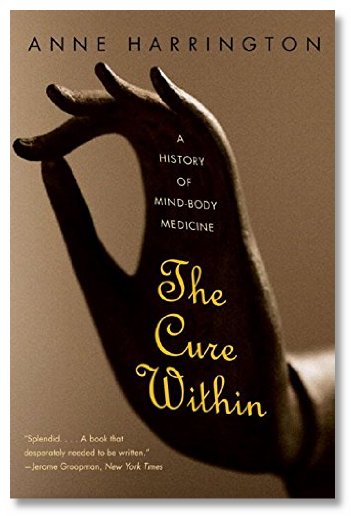
Over the past several years, numerous medical reports have confirmed the connection between a positive mental attitude and good physical health. In this splendid book, Harrington (The Placebo Effect), chair of Harvard's history of science department, demonstrates that the belief in such a connection between mind and body is nothing new. She uses case studies and stories of healings to show how deeply embedded the idea of positive mental health is in the quest for physical health, as well as the ways that contemporary medicine has incorporated a focus on mind-body healing into its black bag. In her highly original analysis of this history from ancient times to the present, she discovers six different narratives about mind-body healing. These include the power of suggestion, the power of positive thinking and broken by modern life. In the body that speaks narrative, for instance, Harrington traces the idea that physical symptoms are the outward expression of the mind's secrets, and that revealing those secrets can heal, whether the revelation takes place in the confession box or on the analyst's couch. Harrington's study offers a first-rate cultural history of an age-old but still much debated topic. Author Information Anne Harrington is the Franklin L. Ford Professor of the History of Science and Director of Undergraduate Studies. She is also Faculty Dean of Pforzheimer House, a residential position involving oversight of 400 Harvard College undergraduates. She is the author of three books: Medicine, Mind and the Double Brain (1987), Reenchanted Science (1997) and The Cure Within; A History of Mind-Body Medicine (2007). She is currently completing a fourth book entitled The Biological Revolution in Psychiatry: What Really Happened. She has also published many articles and produced a range of edited collections including The Placebo Effect (1997), Visions of Compassion (2000), and The Dalai Lama at MIT (2006). Other research interests include relations between religion and medicine, interdisciplinary relations between the science and the humanities (especially the biobehavioral sciences), and first person experiences (narratives) of brain disorder.
|