|
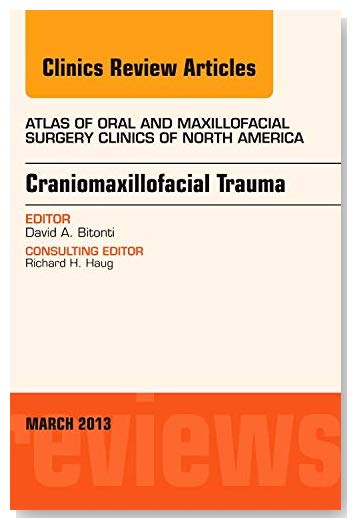
Guest Editor David Bitonti has assembled a comprehensive, illustrated review of craniomaxillofacial trauma management. Topics include management of acute trauma, characteristics of ballistic and blast injury, maxillofacial imaging in the trauma patient, soft tissue trauma, wound management and nutrition for optimal wound healing, characterization and management of mandibular fractures, management of midface maxillofacial injuries, occular injuries, triage, and management, triage and management of cranial injuries, otologic injuries, triage and management, and reconstruction of hard and soft tissue defects. This issue of Atlas of the Oral and Maxillofacial Surgery Clinics of North America is intended to provide a review of maxillofacial trauma covering the concepts of sound, tested, surgical principles with the addition of surgeon ingenuity. Included in the articles are lessons learned and anecdotes based on the clinical and surgical experience of the authors and that convey surgeon ingenuity. As the role of the oral and maxillofacial surgeon increases in response to national and international humanitarian and disaster efforts, it was important to include information pertinent to the delivery of maxillofacial trauma care in that modified or austere environment. It is often so different from what the oral and maxillofacial surgeon’s normal trauma care experience is that it warranted a separate article to stimulate thoughtful consideration when planning for and entering into that treatment evolution. Additionally, it was important to cover all the areas of the maxillofacial complex that might be encountered and require evaluation and recognition by the oral and maxillofacial surgeon. In that regard, incorporation of the expertise provided by our colleagues in radiology and oral radiology; maxillofacial prosthetics; ophthalmology; neurosurgery; general surgery; and otolaryngology, head and neck surgery was considered an important component of this edition. The articles are organized to include general trauma management, diagnostic aids, aspects of injury related to other than blunt trauma, factors related to optimum management including wound care and nutrition, progressive management of injuries from the bottom up, inside to out, and finally, reconstruction. I am pleased and honored by the opportunity to work with the article authors. Each of them brings their own individual experience to the topics. As one delivers maxillofacial trauma care, it is my hope and belief that the reader will find this edition valuable personally and professionally.
|