|
|
|
|
Home > Books > Endodontics > Dynamic Aspects of Dental Pulp: Molecular Biology, Pharmacology and Pathophysiology
|
|
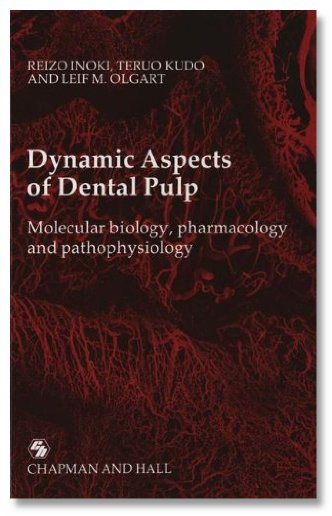
Dynamic Aspects of Dental Pulp: Molecular Biology, Pharmacology and Pathophysiology
|
|
By Chapman & Hall
|
|
|
Availability:
|
|
|
Publisher:
|
Chapman & Hall
|
|
Edition:
|
1st
|
|
Published:
|
June 7, 1990 |
|
Binding:
|
Hardcover
|

|
|
|
| |
| Product Description: |
|
| |
|
This book presents a circumspective overview and update of the present existing knowledge of the biology, chemistry and pathophysiology of the dental pulp. It details numerous observations of a group of highly specialized investigators who have united in the common purpose of presenting their observations for the benefit of clinicians, teachers, researchers and students. Fortunately, the dental literature presents abundant research findings about pulp biology and the pulp's responses to various stimuli. This abundance has resulted in an increased interest and expansion of research on this subject. For example, publications abound on the response of pulp tissue to various medications and to a variety of types of dental materials which may be placed near to or at some distance from the pulp through the medium of dentine. One of the reasons the pulp is of such interest is that it not only provides the vitality to the teeth but also produces the dentine - both the primary and secondary, as well as reparative. The latter-type dentine is a result of the pulp's functions in response to disease as the former dentine is in response to health. As an example, some investigators have reported the effects of cutting of dentine and the placement of restorations in dentine which in turn reflect changes on the pulp tissue. These reports have raised a number of questions, which in turn have created a need for answers.
|
|
|
| |
|
|
|